

When most homeowners picture “backyard water,” they picture a pool. Pools are wonderful, but they are not the only way to bring that resort feeling home. A well placed fountain or a small pond can completely change how your outdoor space feels, even in a modest yard. You get the soothing sound of moving water, a natural focal point to design around, and a space that invites people to linger.
At Aqua 4 Outdoor, we love water features because they help families actually use the backyard. Water gives everyone a reason to step outside, slow down, and connect. Kids watch fish and dragonflies. Friends gather near the sound of a bubbling basin. Quiet mornings become something you look forward to. If you are hoping to extend your indoor living space outdoors, fountains and ponds are two of the most joyful upgrades you can make.
Why water features feel so good in everyday life
Water changes the atmosphere of a yard in ways that are hard to replicate with décor alone. It brings movement, sound, and reflection, which makes outdoor spaces feel more layered and alive. Even a small fountain can soften street noise and make a patio feel more private.
From a design standpoint, water also gives your landscape a “center.” Just like a fireplace in a living room, a fountain or pond naturally draws the eye and organizes the space around it. That helps your seating areas, pathways, and planting beds feel intentional instead of scattered.
And there is the emotional side, too. Water is calming, but it is also playful. It encourages curiosity and small rituals, like feeding fish, trimming pond plants, or turning on the fountain before guests arrive. Those are the kinds of simple habits that turn a backyard into a memory making place.
Fountains: the easiest way to add sound and style
If you want the impact of water with a simpler footprint, a fountain is often the best starting point. Fountains can be compact, can fit into courtyards and side yards, and can be designed to match almost any home style. They also give you that satisfying soundtrack of trickling water, which can make an outdoor lounge feel instantly more comfortable.
Types of fountains that work beautifully in real backyards
Not all fountains create the same look or sound. Some are meant to be a statement piece you see from inside the house, while others are designed to be discovered along a garden path. Think about how you want the feature to feel before you choose the style.
A few homeowner friendly options we often recommend include the following.
- Bubbling basin fountains that create a gentle sound and a clean, modern look. These are great near patios because they do not splash much and they feel tidy.
- Urn or vase fountains that blend classic and contemporary styles depending on the vessel. They are wonderful as a focal point in a planting bed.
- Wall fountains that work well in small spaces, especially when you want to add water without giving up floor area. They can turn a blank fence line into a feature wall.
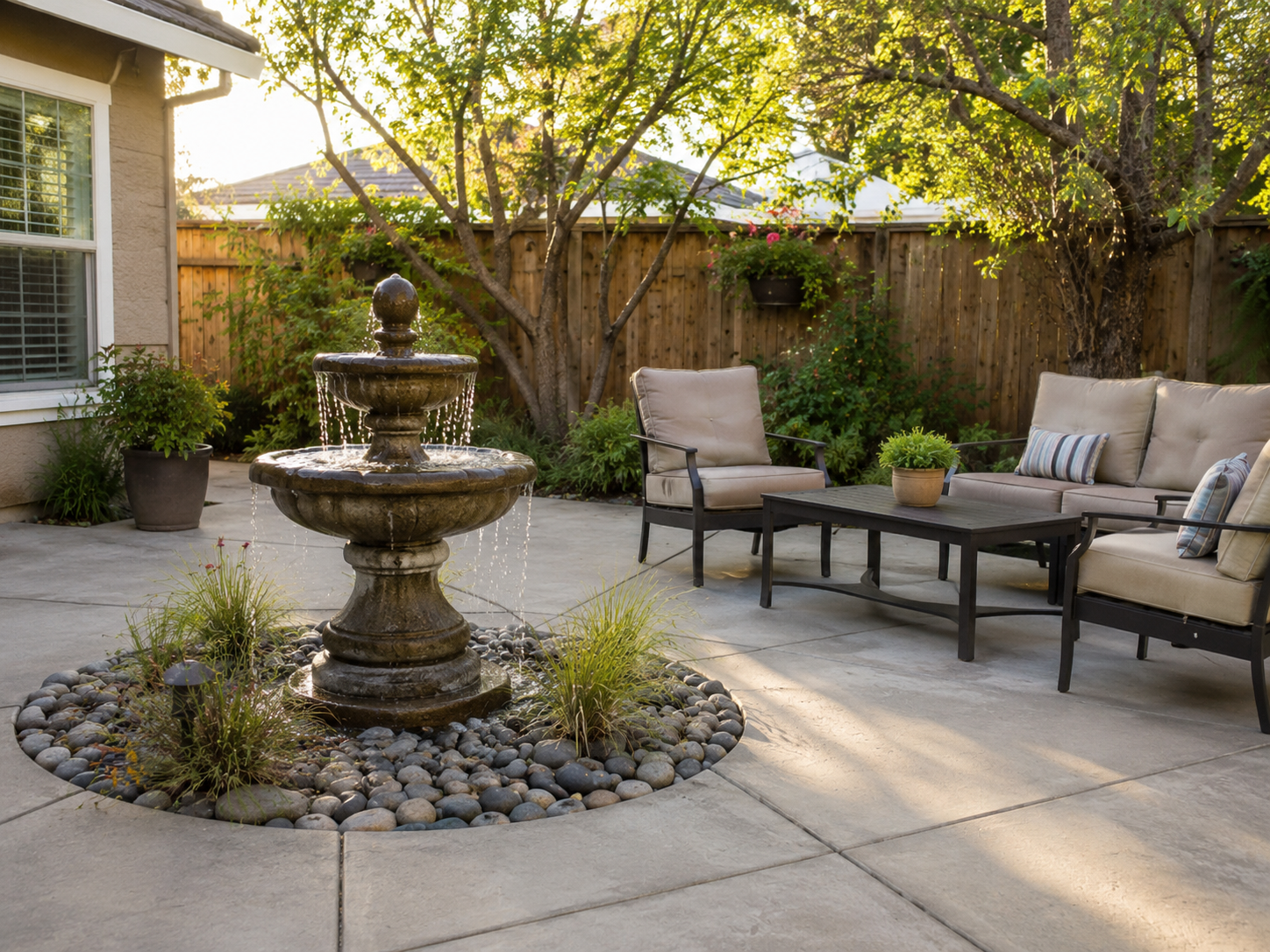
- Tiered fountains for a more traditional garden feel. These are often best as a central element in a courtyard where they can be viewed from multiple angles.
Where fountains shine: placement ideas that feel natural
Placement is everything. A fountain can be gorgeous on its own, but it becomes truly special when it is woven into how you move through the yard. We like to place fountains where you will hear them often, not just where you will see them once in a while.
Here are a few placements that tend to work well for homeowners.
- Near outdoor seating so the sound becomes part of the experience, like a background playlist you never have to manage.
- Along a path so it feels like a small destination, especially in a garden zone where you want a sense of discovery.
- Visible from indoors such as framed by a window or aligned with a back door, so you enjoy it even when you are inside.
- At the end of a sightline like the end of a walkway or the far edge of a patio, which helps the yard feel deeper and more designed.
One tip we share often is to test the “sound zone.” Water can be soft or surprisingly loud depending on the drop height and the basin. If you love a bold sound, great. If you want subtle, choose a style that bubbles and ripples instead of splashing.
Design tips: helping your fountain look like it belongs
A fountain should feel like it was always meant to be there. The easiest way to get that result is to design the area around it with the same care you would give a kitchen vignette indoors. Think of the fountain as the centerpiece, then create supporting layers.
Start with a strong base. Surround the fountain with materials that match your patio or home, such as complementary stone, pavers, or gravel. Then soften the edges with planting. We love a mix of evergreen structure and seasonal color so the feature looks good year round.
Lighting is the final touch that turns a fountain into an evening feature. A warm, low light aimed at the water surface highlights movement and makes the patio feel cozy after sunset. It is one of the simplest ways to extend the time you actually spend outdoors.
Simple fountain care: what upkeep really looks like
Most fountain maintenance is light, especially when the feature is installed thoughtfully. In everyday terms, you will keep an eye on the water level, do a quick rinse now and then, and occasionally clean the pump area so it runs smoothly.
Practical habits that make fountains easy to live with include checking water level during hot weeks, removing leaves before they sink, and doing a seasonal wipe down so mineral buildup does not become a bigger job later. If you have hard water, using a gentle approach to cleaning and staying consistent helps keep the surface looking fresh.
If you live in a climate with freezing temperatures, plan ahead for winter. Many homeowners either keep the feature running with the right setup or shut it down and cover it. The best choice depends on the fountain style and where it is located, but either way it is manageable when it is part of a simple seasonal routine.
Ponds: a slice of nature that invites you to slow down
If fountains are the easiest way to add water, ponds are the most immersive. A pond brings wildlife, planting, and that peaceful “garden retreat” feeling into your everyday life. It becomes an outdoor room of its own, not just an accessory.
A pond can be small and intimate, tucked beside a patio, or larger and more naturalistic with boulders and lush edges. The magic is that it feels alive. You notice changes through the seasons, from spring growth to summer reflections to autumn color.
Pond styles to consider: from polished to natural
The “right” pond style depends on your home, your landscape, and how you want to use the space. Some families want a tidy water garden that reads as a design feature. Others want a more natural look that blends into planting and stone.
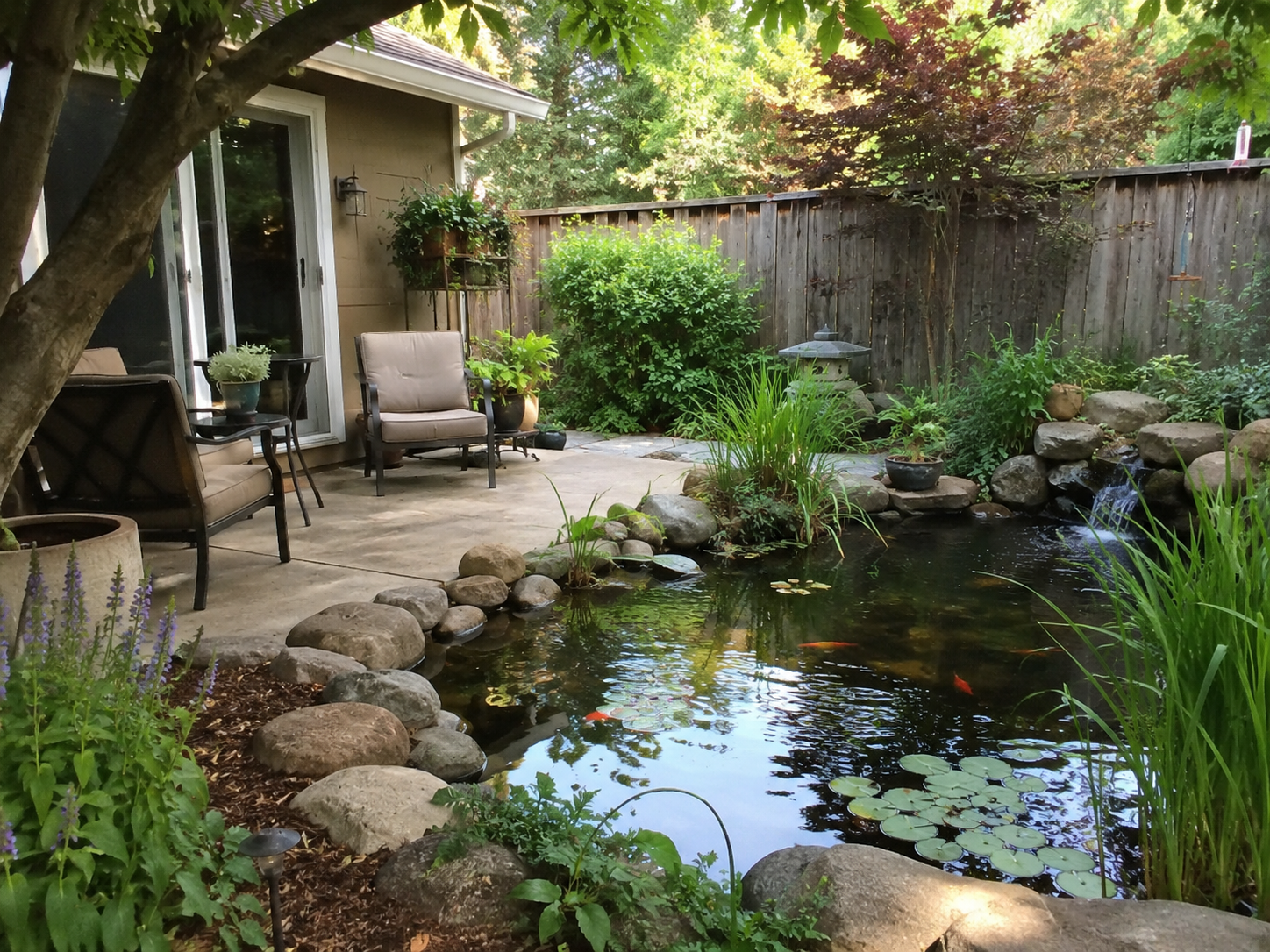
Common approaches include a formal pond with crisp edges and symmetrical planting, a natural pond with rock borders and irregular shapes, or a pond paired with a short stream or waterfall for added sound. Waterfalls are especially helpful if you want that relaxing water sound and a bit of movement that keeps the feature feeling fresh.
Do you want fish, plants, or both?
This is one of the first questions we ask because it affects the design from day one. A pond designed for fish needs different depth considerations and shelter areas, while a pond designed mainly for plants can focus more on shallow shelves and easy access for seasonal care.
Many homeowners love a balanced approach with both. Fish add personality and become part of the family routine, while pond plants soften the edges and help the water feel like a true ecosystem. If you want a low stress experience, we can design the pond to support healthy water with a sensible mix of circulation and planting, so you are not constantly fighting nature.
Where to place a pond for beauty and day to day enjoyment
Ponds are most rewarding when you can comfortably spend time near them. We like to think about how you will interact with the pond, not just how it will look in a photo.
Consider these placement ideas.
- Near a seating area so you can watch the water and wildlife while you relax.
- Within view of indoor spaces so it becomes part of your daily scenery, like living artwork.
- In a quiet corner when you want the pond to feel like a private retreat, especially paired with a small path and soft lighting.
Sun matters, too. Too much direct sun can warm the water and encourage unwanted growth, while too much shade can limit plant options. A balanced spot often works best, with some sun and some relief during the hottest part of the day.
Edging and planting: the difference between “installed” and “natural”
The edges of a pond are where the design comes to life. Clean edging can feel modern and intentional, while layered stone and planting can make the pond look like it has always been part of the landscape. Neither is better, it is simply about the mood you want.
We love to use a combination of larger anchor stones, smaller accents, and plants that spill slightly over the edge. That mix hides liners, softens the transition, and makes the pond feel integrated. Around the pond, choose plants with varied heights, textures, and leaf shapes so the view looks rich from multiple angles.
Also think about comfort. A flat stone or small landing area at the edge gives you a place to sit with your feet near the water or help kids observe safely. That small design choice often becomes the spot where memories happen.
Pond upkeep: realistic, manageable, and seasonal
Ponds do require care, but it does not have to be overwhelming. The key is to set up the pond so the routine stays simple. Good circulation, thoughtful planting, and a plan for leaves and debris make a huge difference.
In practical terms, pond care often looks like skimming leaves when needed, trimming plants seasonally, and doing occasional checkups on circulation. If you have trees nearby, adding a simple leaf management plan in fall keeps your pond much easier to enjoy.
We also recommend creating an “access path” to the pond from the beginning. When you can reach the edge comfortably, you are more likely to keep up with little tasks and less likely to put them off until they become bigger jobs.
Choosing between a fountain and a pond: a friendly decision guide
Homeowners often ask which is better. The truth is that both are fantastic, and the best choice depends on your lifestyle, your space, and the feeling you want outside.
A fountain is a great fit when you want a simpler feature, you love the idea of sound near a patio, or your yard is smaller and you want a clean focal point. A pond is a great fit when you want a nature experience, you enjoy gardening, or you want a feature that becomes a destination in the landscape.
If you are unsure, start by thinking about how you spend time outdoors. Do you host and want a striking feature near conversation areas? A fountain might be perfect. Do you want a quieter retreat that draws you into the garden and invites longer moments outside? A pond may be the right next step.
How to plan a water feature that feels like an outdoor room
Water features are most successful when they are part of a bigger outdoor living plan. Think of this as designing a room without walls. You still want flow, comfort, and a focal point, just in the open air.
Step 1: Choose the “view” you want to live with
Pick the primary spot where you want to enjoy the water most. This might be from your kitchen window, your favorite patio chair, or the place where you picture having coffee in the morning. That view helps decide where the water feature should sit and what scale it should be.
A common mistake is placing a feature too far away because it feels like it should be in the back corner of the yard. If you want to use it daily, keep it close enough to be part of your routine.
Step 2: Match the style to your home and hardscape
Your water feature should look like it belongs with your home’s architecture and existing materials. A sleek bubbling basin often pairs well with modern pavers and simple planting. A stone fountain or natural pond edge often pairs beautifully with classic brick, warm stone, and layered gardens.
If you are updating your patio or walkways, we can help you coordinate the finishes so everything feels cohesive. When the materials and colors work together, the whole backyard feels more polished without feeling fussy.
Step 3: Design for comfort: seating, shade, and circulation
Water is the attraction, but comfort is what makes you stay. Plan at least one seating area where you can hear and see the water clearly. If you like to host, consider a small conversation nook that faces the feature so guests naturally gather there.
Shade is another piece of the puzzle. A pergola, umbrella, or thoughtfully placed tree can make your water feature area enjoyable even on warm days. And do not forget how you will walk to the feature. A simple stepping stone path or a defined walkway makes the experience feel intentional and keeps feet out of planting beds.
Step 4: Add lighting so the magic continues after sunset
Lighting extends the life of your backyard. A water feature is especially stunning at night because light brings out reflection and movement. Soft path lighting improves safety and creates a welcoming feel. Accent lighting on surrounding plants adds depth so the feature does not float in darkness.
If you love evening gatherings, this step is one of the best ways to make your outdoor space feel like a true extension of your living room.
Examples we love: bringing water into different backyard lifestyles
Every family uses their yard differently, so the “best” water feature is always personal. Here are a few real world design directions that tend to fit common lifestyles.
The entertainer’s patio fountain
Imagine a bubbling basin fountain just off the edge of the patio, framed by ornamental grasses and warm accent lighting. Guests arrive, the water is already running, and the space feels instantly welcoming. The sound helps conversation feel more relaxed and makes the patio feel like a destination.
The quiet garden pond retreat
For homeowners who want a peaceful escape, a small pond nestled into a lush planting bed can be transformative. Add a simple bench nearby, a stepping stone path, and a few larger stones to create natural looking edges. This becomes a place for morning coffee, reading, or simply watching the water for a few minutes between busy moments.
The family friendly pond with a little waterfall
When kids are part of the picture, a pond with gentle movement can become a backyard favorite. A small waterfall adds sound and helps the feature feel lively. With thoughtful design, including safe viewing spots and clear edges, the pond becomes a place to learn about nature and spend time together, without needing a huge footprint.
Common questions homeowners ask before adding a water feature
Will a water feature feel like extra work?
It should not feel like a burden. The goal is a feature that fits your life. When we design and build water features, we think about access, debris management, and realistic routines. A few minutes here and there is normal. If a design requires constant attention, it is usually a sign it needs a better plan from the start.
Can I do this in a small yard?
Absolutely. In fact, smaller yards often benefit the most because water adds depth and interest without needing a huge lawn. A wall fountain or compact bubbling basin can turn a narrow side yard into a charming passage. A small pond can become a focal point that makes the entire space feel more intentional.
What if I want water but not a big visual statement?
You can keep it subtle. A low profile fountain tucked into planting can be more about sound than spectacle. A small reflecting basin can feel quiet and modern. We can also design water features that are partially hidden, so you hear the water first and then notice it as you move through the space.
Bring the feeling of a getaway home
A fountain or pond is not just a landscape upgrade. It is a lifestyle upgrade. It gives your backyard a heartbeat, a place for people to gather, and a reason to step outside more often. The best water features are the ones that fit your home, match how you live, and make daily life feel a little more peaceful and connected.
If you are dreaming about a backyard that feels like an extension of your indoor living space, we would love to help you explore what is possible. Whether you want a simple fountain near the patio or a pond that creates a nature filled retreat, we can guide you from ideas to a finished space you will enjoy for years.
No responses yet