

One of my favorite parts of what we do at Aqua 4 Outdoor is seeing how a design shifts real life. Not just how it photographs, but how it feels on a Tuesday evening when dinner runs long, or on a Saturday morning when the kids wander outside barefoot just after the sun comes up.
In this project spotlight, I’m sharing a real world backyard transformation and the design lessons we pulled from it. Think of it like you’re walking the space with us, hearing the “why” behind each choice, and collecting ideas you can use in your own outdoor living space.
The Homeowners’ Goal: Bring Indoor Comfort Outside
This family loved their home, but the backyard felt like an afterthought. There was grass, a small builder patio, and plenty of potential, yet they weren’t using it. When we asked what they wanted most, their answers were wonderfully simple.
They wanted a place to eat outside without chasing shade. They wanted somewhere to gather with friends that didn’t feel like folding chairs on the lawn. And they wanted their kids to have a safe, inviting space that encouraged more time in nature and less time indoors.
What we listened for first
Great outdoor design starts with how you want to live, not what you want to buy. We paid attention to the daily rhythms and the “pain points” that were keeping them inside.
Here’s what we heard between the lines: They needed better comfort, clearer zones for different activities, and a layout that made stepping outside feel effortless. In other words, they didn’t need a bigger yard. They needed a yard that worked.
The Before: Common Issues We See in So Many Backyards
This project looked a lot like many suburban outdoor spaces at the start. Nothing was “wrong,” but nothing was pulling the family outdoors either. If you’re looking at your own yard and thinking it just feels flat, you’re not alone.
The biggest challenges
The builder patio was undersized for how the family wanted to entertain. The sun hit the seating area hard in the afternoon. And the path from the back door dropped you into the yard without any sense of arrival, like stepping into a blank page.
Also, there was no dedicated place for lounging, no cozy edge for conversation, and no reason to wander farther into the yard. The space needed a story and a flow, so the family naturally moved through it.
The Design Plan: Create Zones That Feel Connected
When we design outdoor spaces, we think like hosts. Where do people land first. Where do they set a drink. Where does conversation happen. Where can kids play without cutting through the dining area.
For this backyard, we built the plan around three zones that feel distinct but connected. This is one of the easiest ways to make a yard feel intentional, even if the footprint is modest.
Zone 1: A welcoming patio for dining and everyday meals
We expanded the main patio so the family could comfortably fit a dining table with enough circulation space. That “extra” room matters more than people expect. It keeps chairs from bumping into planters, makes it easier to serve food, and helps the space feel calm instead of cramped.
We also chose materials that feel at home with the interior finishes, so the transition from inside to outside felt seamless. When your outdoor palette echoes your indoor palette, the whole home feels bigger.
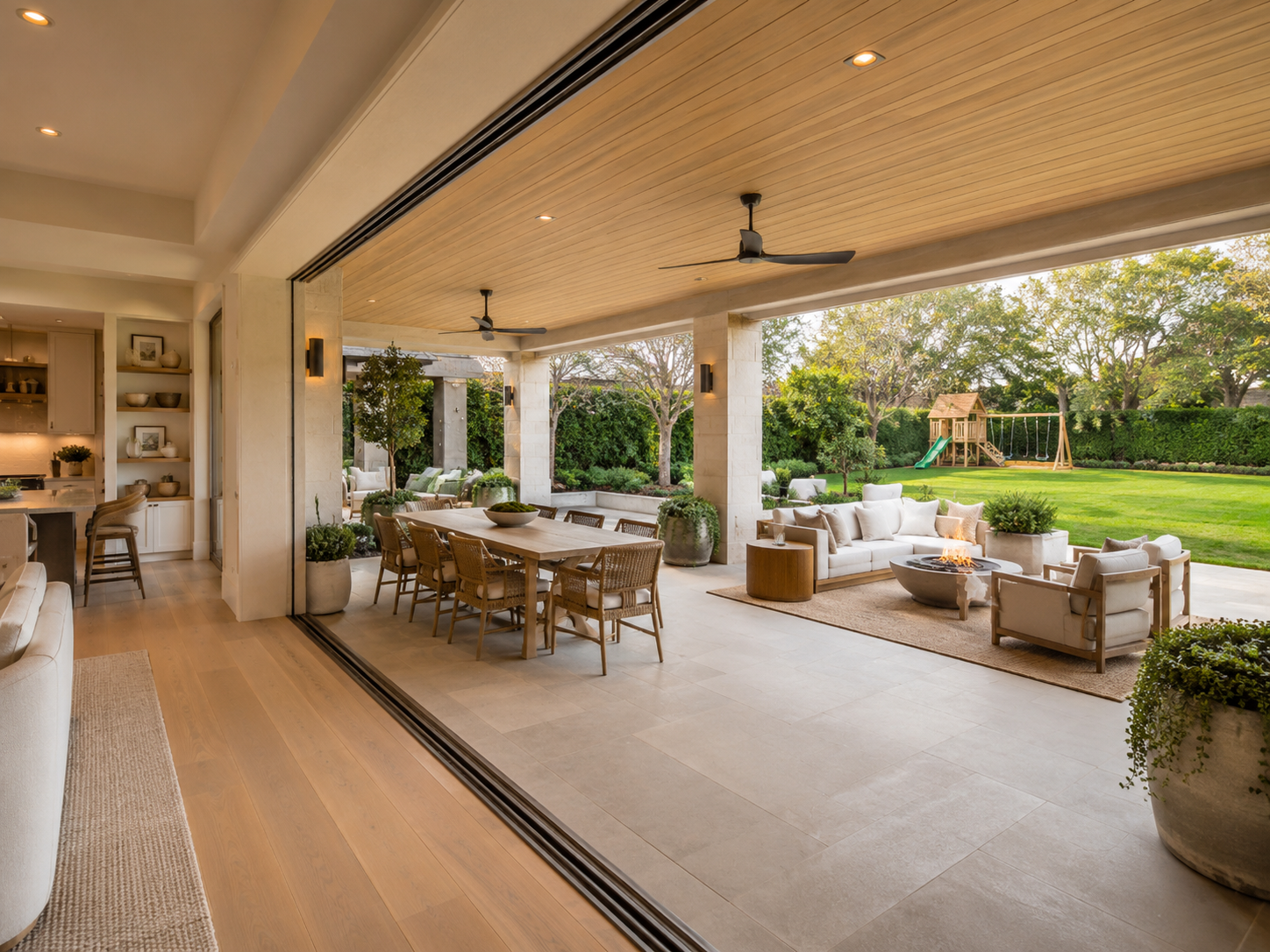
Zone 2: A lounge area that invites you to linger
The family wanted a place to relax that didn’t feel like an extension of the dining table. So we created a lounge zone with comfortable seating, a central focal point, and softer lighting for evenings.
This is where connection happens. It’s where kids tell stories, parents decompress after work, and friends stay longer than planned. When we design for lingering, we design for memories.
Zone 3: Open lawn and play space with a purpose
Instead of treating the lawn as leftover space, we shaped it intentionally. The open area became a flexible zone for play, tossing a ball, or laying out a picnic blanket. We kept sightlines clear from the main seating area so adults could relax while still keeping an eye on the action.
The key was making the play zone feel integrated, not separate or neglected. That’s how you get a yard that works for the whole family at once.
Lesson 1: Start With Movement, Not Furniture
One of the most helpful design shifts is thinking about pathways before you think about chairs, grills, or décor. If movement feels awkward, the space never feels natural, no matter how beautiful the pieces are.
How we improved flow in this project
We created a clear “spine” from the back door to the main gathering area, then added gentle offshoots that led to the lounge and lawn. Nothing complicated. Just a layout that tells you where to go without needing instructions.
If you want to try this at home, do a quick test. Walk outside with a cup in your hand and imagine you’re hosting. Where would you naturally step. Where would you avoid. Those instincts are valuable data.
A simple at home step you can take this weekend
Grab a garden hose or painter’s tape and outline the areas you think you want: dining, lounging, and open space. Live with the shapes for a day or two. You’ll quickly notice where you want more room and where you can pull things in.
Lesson 2: Shade Is Not a Luxury, It’s What Makes the Space Usable
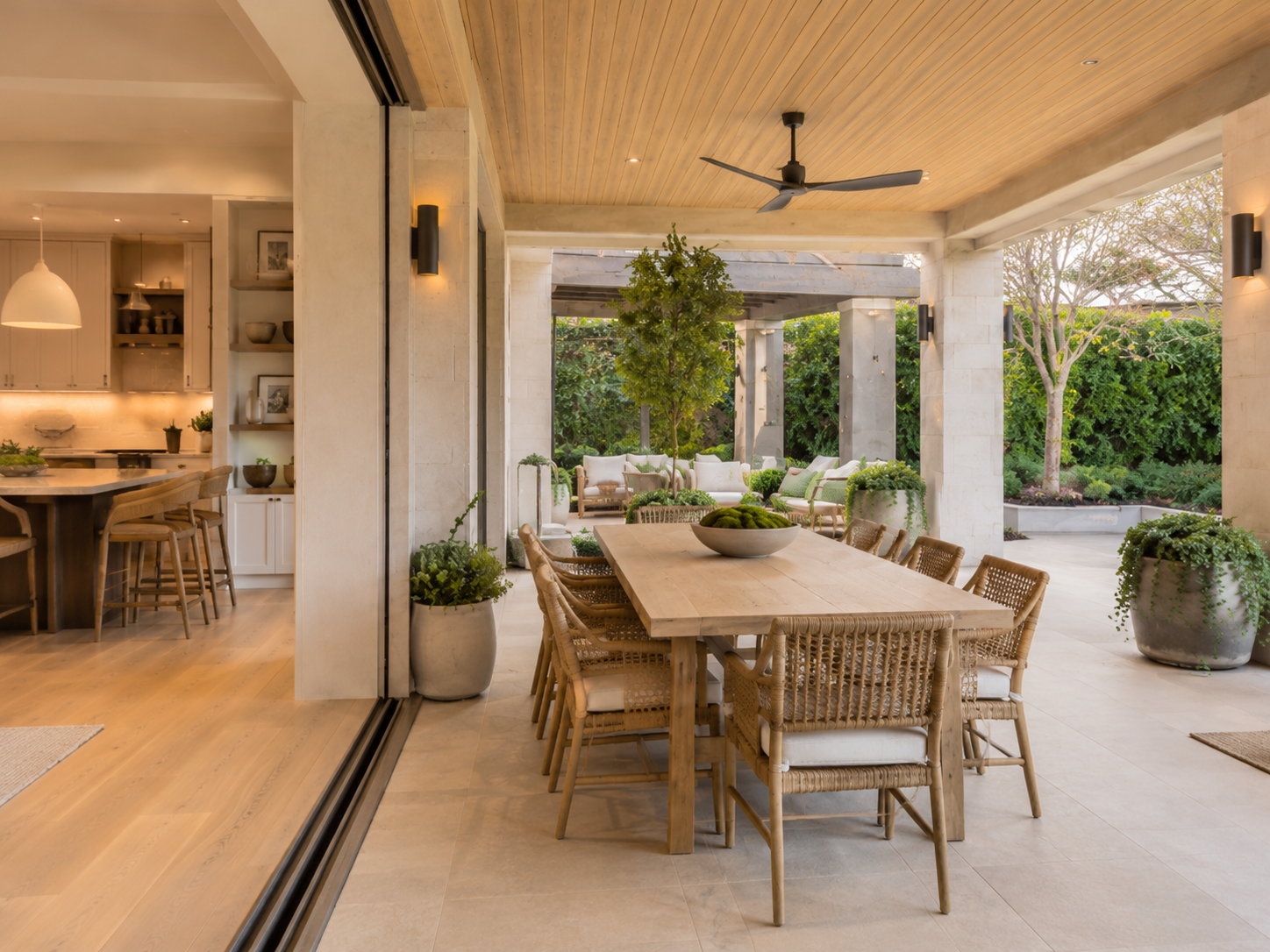
Comfort is the difference between a backyard you admire and a backyard you live in. In this project, the afternoon sun was a major reason the family wasn’t eating outside. Once we addressed shade, outdoor meals became an easy yes.
What we considered when planning shade
We looked at when the family used the yard most, how the sun moved across the space, and where shade would have the biggest impact. Then we paired overhead coverage with softer, living elements like plantings to keep the space feeling fresh and natural.
Shade solutions can be structural or simple, and often the best answer is a thoughtful mix. The goal is to make comfort feel effortless, not like something you have to chase around the yard.
Quick shade tips you can borrow
- Place your main dining spot where it gets the most consistent comfort during meal times.
- Add a second option for morning sun or evening light so you can follow the mood of the day.
- Use layered shade: overhead coverage plus plantings nearby to soften glare and heat.
Lesson 3: Edges Create Coziness
Here’s a design truth we see again and again. People tend to gather at the edges. A space without comfortable edges can feel exposed, even if it’s spacious.
In this backyard, we added definition along the perimeter with plantings and low elements that helped the lounge zone feel like a room. Not closed in, just gently held. That’s what makes people relax.
How to create that “outdoor room” feeling
Think about what’s behind your seating. If it’s open yard, a fence, or a blank wall, consider how you can soften and frame it. A layered planting bed, a simple screen, or even a change in elevation can make a huge difference.
The best outdoor rooms feel both protected and open. You still get the sky, the breeze, and the view, but you also get that sense of belonging that makes you want to stay.
Lesson 4: Lighting Extends Your Evenings
If you’ve ever had an outdoor gathering end the moment the sun dips, you’ve already felt the power of lighting. When the lighting is thoughtful, the backyard stays inviting well into the evening, and those are often the moments families remember most.
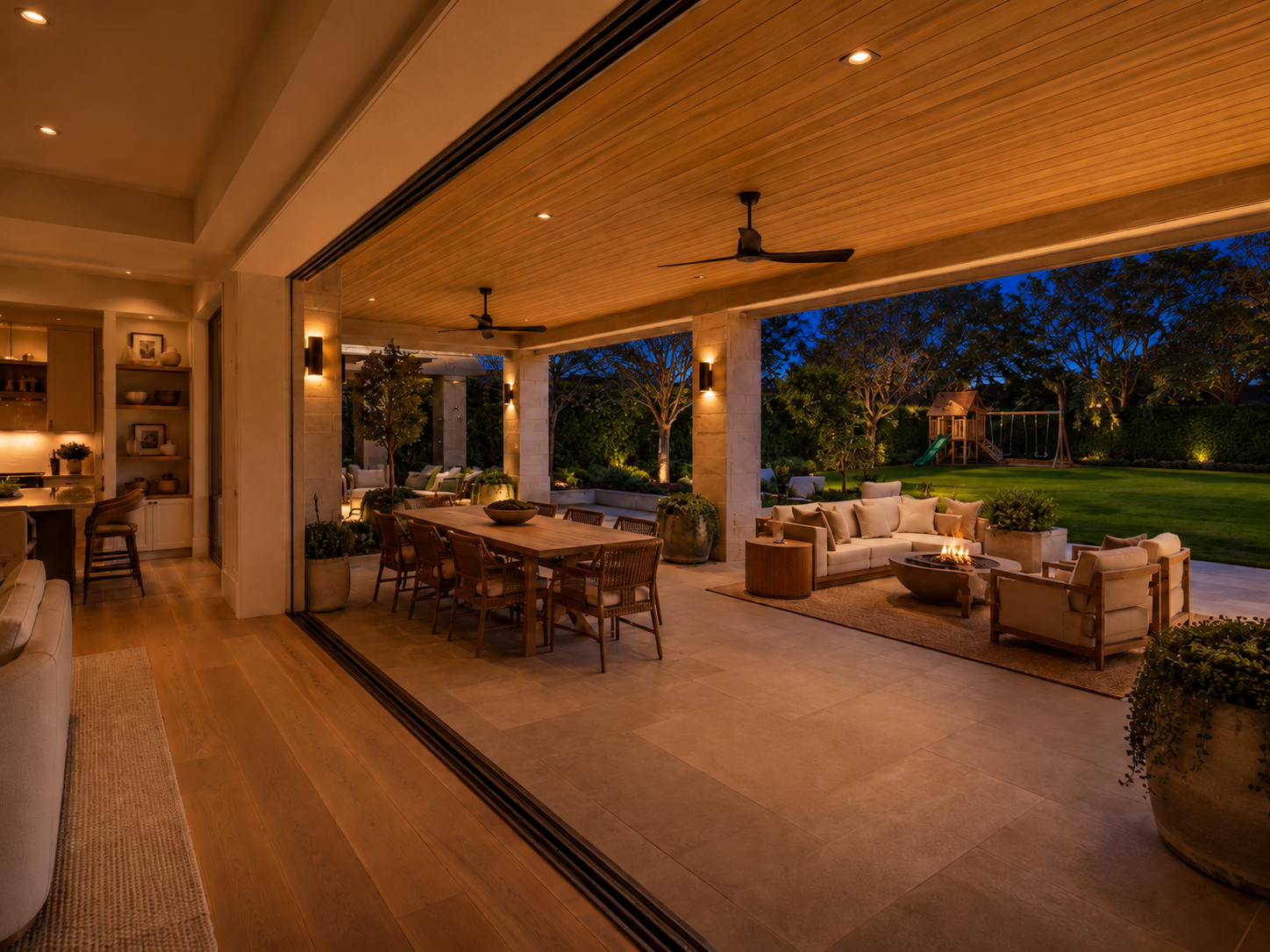
The lighting approach we used
We focused on warm, gentle layers rather than anything harsh. The goal was to create a glow that guides you and flatters the space, not a spotlight effect.
We used lighting to highlight key areas like steps and transitions, then added softer accents near seating. That combination creates safety and atmosphere at the same time.
Try this lighting checklist at home
Walk your yard at night with the house lights off. Notice where it feels unclear or unwelcoming. Then prioritize lighting in this order: transitions first, gathering spaces second, and garden accents last. Even a few well placed fixtures can change the whole mood.
Lesson 5: Choose Materials That Match Your Lifestyle
Beautiful outdoor spaces should feel easy to care for. In this project, the family wanted a polished look, but they also wanted time back. So we selected finishes that feel elevated while still being practical for everyday life.
This is where design becomes personal. Some families love a crisp, clean look that stays consistent. Others want a more natural, relaxed style that can weather gracefully. Either way, your materials should support your real routine, not an imaginary one.
Questions to ask before you commit to a finish
How often do you want to clean or seal surfaces. Do you have kids who drop popsicles, or a dog who treats the yard like a racetrack. Are you hosting often, and do you want to move furniture around. These details are not minor. They are the difference between frustration and joy.
Lesson 6: Planting Design Should Feel Lush, Not Fussy
Plantings do so much more than decorate. They cool the space, soften hard lines, add privacy, and invite birds and butterflies in. In this project, we used plantings to connect the zones and make the yard feel like a retreat rather than a rectangle.
What made the planting plan work
We focused on a balanced mix: some evergreen structure for year round presence, some seasonal color for delight, and some textures that look good even when nothing is blooming. We also paid attention to how the family views the yard from inside the house, because those window views matter every single day.
If you’re planning your own plantings, think in layers. Start with a backbone, then add mid height fullness, then finish with softer edges. That’s how you get that lush look without needing a complicated plant list.
Lesson 7: Design for the Moments You Want More Of
This is the heart of it. Outdoor design is not just about features. It’s about habits and moments. When the space supports your life, you use it more. When you use it more, you create more opportunities for connection.
For this family, the win wasn’t just a prettier yard. It was weeknight dinners outside. It was kids playing while adults talked nearby. It was a space that made it easier to step away from screens and spend time together under the open sky.
A simple way to define your own design priorities
Pick three moments you want more often in your life. Maybe it’s morning coffee outdoors, family dinners, or hosting friends. Then let those moments guide your layout.
For example, if you want morning coffee, you might need a small bistro spot that catches early light. If you want family dinners, shade and proximity to the kitchen matter. If you want hosting, you may need two seating areas so conversations can split naturally.
Practical Steps to Apply These Lessons in Your Own Yard
If you’re feeling inspired, here’s a friendly path forward. You don’t have to do everything at once. You can start with one change that makes the yard more usable right away, then build from there.
Step 1: Observe how you already use the space
For one week, notice where you naturally stand, sit, and walk. Take quick notes. Where is it uncomfortable. Where do you wish you had shade. Where do guests cluster. Your everyday behavior will point directly to your best layout.
Step 2: Sketch three zones
Even a rough sketch helps. Mark where dining could go, where lounging could go, and where open space could live. Keep it simple and focus on how the zones connect.
Step 3: Solve comfort first
Prioritize shade, seating comfort, and lighting before décor. Those are the elements that make the space feel welcoming and extend how long you can enjoy it each day.
Step 4: Add edges and greenery
Once comfort is in place, bring in softness. Plantings, screens, and layered borders make the space feel like a retreat. This is often where the magic happens, because the yard starts to feel like a destination.
Step 5: Build in one “memory maker”
This can be something simple: a cozy lounge spot, a place for s’mores, a little garden path the kids can explore, or a dining area that feels special even on ordinary nights. Choose one feature that makes you want to go outside more often.
What Changed After the Transformation
After this project, the family told us they were spending more time outdoors without even thinking about it. That’s always the best compliment, because it means the design is supporting their natural rhythm.
The patio became a true extension of the kitchen and dining area. The lounge became the spot for winding down. The lawn became a play space that didn’t interrupt adult conversation. And the entire backyard started to feel like part of the home, not a separate area you occasionally visit.
Ready to Reimagine Your Outdoor Living Space?
If you’re looking at your backyard and imagining something more connected, more comfortable, and more you, we’d love to help. At Aqua 4 Outdoor, we design spaces that feel beautiful and practical, so you can gather, relax, and make the kind of everyday memories that add up over time.
Your outdoor space doesn’t have to be perfect to be meaningful. It just has to invite you out. And once it does, the rest comes naturally.
Comments are closed