

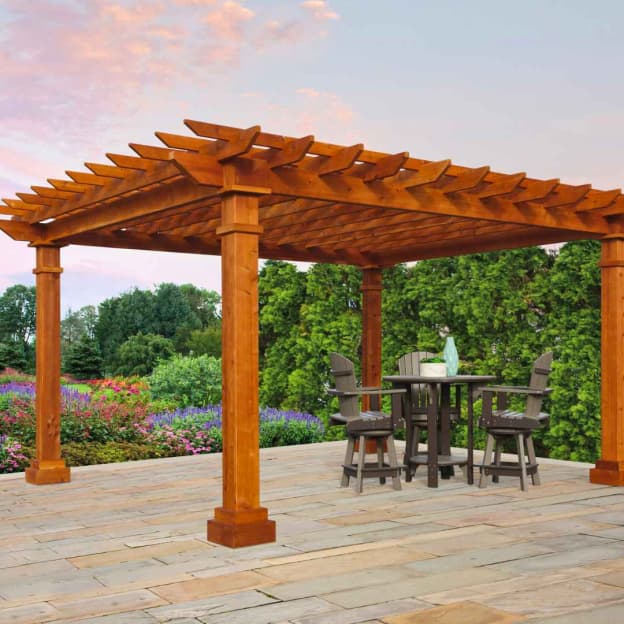
One of the most common outdoor dilemmas I hear is this: “We need shade… but we don’t want to lose our view.” And honestly, you shouldn’t have to choose.
Whether you’re looking out at a pool, a garden you’ve nurtured for years, a lake, a mountain line, or even just a peaceful stretch of sky, your view is part of what makes your outdoor space feel like an escape. The good news? With the right shade strategy, you can stay cool, protect your outdoor furniture, and still keep that wide-open feeling.
Let’s walk through practical, design-savvy ways to integrate shade structures without blocking views—so your backyard stays comfortable, beautiful, and ready for the kind of everyday moments that turn into family memories.
Start With the View You’re Protecting
Before you pick a pergola, umbrella, or shade sail, take a few minutes to define what “the view” really is. It sounds obvious, but it’s easy to accidentally shade the wrong area—or put posts right where your eyes naturally rest.
Try this simple exercise: stand (and sit) in the places you actually spend time outside. The view from a lounge chair is different than the view from the kitchen window or the dining table. Walk your space like you’re hosting friends and notice what you naturally look toward.
Quick ways to map your sightlines
- Sit where you dine and take a photo straight ahead at eye level.
- Relax where you lounge and take another photo from a lower angle.
- Stand at the door you use most and capture what you see stepping outside.
Those photos become your “do not block” guide. When you start planning a shade solution, you’ll check it against these angles to keep the space open and view-forward.
Think “Shade Placement,” Not Just “Shade Structure”
Here’s a mindset shift that helps instantly: shade doesn’t have to cover the entire patio to be successful. In fact, trying to shade everything often leads to bulky structures that feel heavy—and that’s when views get compromised.
Instead, aim to shade the activity zones that matter most during the hottest, brightest times of day:
For example, you might prioritize shading the dining table for late-afternoon dinners, while keeping the lounge area more open for stargazing and sunset watching. Or you may shade the seating closest to the house (where the heat builds up), and leave the perimeter open to keep the yard visually expansive.
This approach feels intentional, not overbuilt—and it gives you more freedom to preserve the sightlines you love.
Choose Structures That Feel Light, Not Heavy
Some shade structures naturally protect views better than others. Generally, the “best for views” options have slimmer profiles, fewer posts, or materials that allow filtered light rather than a solid roofline.
Pergolas: airy shade with an open ceiling feel
A pergola is one of the most view-friendly shade options because it reads as architecture without becoming a wall. The overhead slats create comfort and visual structure, but they don’t block the horizon the way a solid roof can.
Design tip: if you’re working with a stunning view, keep the pergola’s beams clean-lined and proportional to the space. Oversized headers can feel like a visual “cap” on your backyard.
To increase shade without adding bulk, consider:
- A retractable canopy within the pergola frame (shade when you need it, open sky when you don’t).
- Slat orientation that accounts for your strongest sun angle.
- Climbing greenery in small doses (beautiful, but place it where it won’t become a view-blocking curtain).
Shade sails: flexible coverage that keeps things visually open
Shade sails are fantastic when you want big shade with minimal visual weight. Because they’re tensioned and angled, they can block harsh sun while leaving key sightlines open underneath.
They also work beautifully in modern outdoor designs because they feel sculptural, almost like an art installation—especially when layered in two tones or two overlapping triangles.
View-preserving tip: keep the sail higher over the viewing edge of your patio, and lower it where the sun hits hardest. That “tilt” creates shade without turning your outdoor room into a covered box.
Cantilever umbrellas: shade without the center pole
If you’re trying to preserve a view across a dining table or pool lounge area, a cantilever umbrella is an easy win. The offset base keeps the center open, so you’re not staring at a pole right where you want to look out.
These are especially useful for families because you can rotate and tilt them as the sun moves—perfect for long weekends outside or those evenings where dinner turns into games on the patio.
Retractable awnings: shade that disappears when you want sky
When you need dependable coverage but don’t want a permanent roofline, retractable awnings can be a great compromise. They offer strong shade near the home (often the hottest zone), and then roll away to restore an open view.
If you love seeing the sky from indoors, this is one of the most “view-respectful” ways to expand your living space outside.
Use Height and Layering to Protect Views
A lot of view-blocking happens not because the structure is “too big,” but because it sits at the wrong height relative to where you sit and what you want to see. Great outdoor design considers the human experience—how your eyes move through a space from a chair, a sofa, or a pool lounger.
Raise the canopy line where the view matters most
If your best view is out beyond the patio, keep any shade edge higher on that side. That can mean:
- Mounting a sail or canopy higher on the view side
- Choosing a pergola height that frames rather than blocks
- Positioning umbrellas so the canopy floats above seated eye level
That simple choice helps the eye slide under the shade and out to the landscape.
Layer with “soft shade” instead of solid barriers
When you need additional sun protection, think in layers. Instead of adding walls or heavy side panels, try softer elements that filter light without shutting the space down.
Good view-friendly layers include:
- Outdoor drapery panels used sparingly on one side (great for low sun angles)
- Slender trellises with spaced slats
- Sheer shade curtains that can be tied back when you’re entertaining
These layers can make a space feel cozy and “room-like,” but still connected to nature—exactly what we want for joyful outdoor living.
Place Posts and Supports Where They Disappear
Posts are one of the biggest culprits in view disruption. The trick is to put them where the eye already expects vertical elements, or where they align with existing lines on the home.
Smart places to hide structural supports
When possible, align posts with:
- House corners or existing columns
- Edges of planters or seat walls
- The sides of a fireplace or outdoor kitchen
- Transitions between materials (like where patio meets lawn)
By tucking posts into the “architecture” of your outdoor space, they stop feeling like obstacles and start feeling intentional.
Another trick: if you’re adding a pergola near the view, consider a design that uses fewer posts on the view-facing side—so the opening feels more like a frame than a fence.
Match the Shade Strategy to How Your Family Lives Outside
The right shade plan isn’t just about sun angles—it’s about the rhythm of your home life.
If you’re raising kids, you might need dependable shade during peak afternoon hours for snacks, homework at the patio table, or splash time breaks. If you love hosting, you might prioritize a shaded dining zone that stays comfortable even when the grill is going. If your quiet time is mornings with coffee, you may only need gentle, filtered shade and want the rest of the space open to the sky.
Let the way you actually live guide where shade goes and how permanent it should be.
A few real-life examples
Example 1: The sunset watchers. You have a gorgeous western view, but the late-day sun is intense. A pergola with a retractable canopy can give you shade during dinner, then open up for sunset colors and evening stars.
Example 2: The poolside loungers. You want shade near the pool without turning the yard into a covered space. A cantilever umbrella or two, positioned behind the loungers, keeps the pool view open while giving you moveable comfort.
Example 3: The indoor-outdoor entertainers. Your patio connects to the kitchen, and guests naturally gather near the door. A retractable awning can shade that “hot zone” without building a permanent roofline that blocks sightlines from inside the house.
Use Landscaping to Support Shade Without Creating a Visual Wall
Plants can be incredible partners in creating comfort, especially when you choose them to filter light rather than form a dense screen. The key is to avoid planting choices that become a tall, thick “hedge wall” right where you want to see through.
View-friendly landscaping ideas
Consider:
- Small canopy trees with airy branching to dapple the patio (placed off to the side of key sightlines)
- Ornamental grasses that move in the breeze and keep the view soft, not blocked
- Low planters that define space without building height
One of my favorite approaches is to keep plantings low and lush near the view edge, then build height behind seating areas. That way, you get a sense of enclosure and comfort where you sit—while your eyes still travel outward.
Consider Light-Filtering Materials That Keep the Space Bright
Some shade structures block views because they darken the space so much that it feels closed-in. If your patio suddenly feels like an indoor room with a low ceiling, your view will feel less “present,” even if it’s technically still visible.
Instead, look for materials and colors that keep things airy:
- Lighter canopy fabrics that reflect heat without making the space gloomy
- Slatted or louvered designs that let sunlight move through
- Natural wood tones that feel warm and blend with the landscape
This is where design details matter. A shade solution should feel like a natural extension of your home—inviting, not imposing.
A Simple Step-by-Step Plan to Get It Right
If you’re not sure where to begin, here’s a friendly process that works for most homeowners.
Step 1: Identify your “must-keep” view angles
Use those photos you took earlier. Decide what can’t be blocked from the dining seat, lounge seat, and main doorway.
Step 2: Track sun and use patterns of use
Notice when you actually use the space. Morning coffee? Afternoon playtime? Evening dinners? This helps you shade the right zones instead of shading everything.
Step 3: Pick the lightest structure that meets your needs
If a moveable umbrella works, you may not need a permanent roofline. If you need dependable coverage, choose a pergola or retractable awning that still feels open.
Step 4: Place supports where they visually “belong”
Align posts with existing architecture and edges. Keep the view-facing side as open as possible.
Step 5: Add layers for comfort, not enclosure
Finish with soft options—like drapery, greenery, or a second moveable shade element—to handle tricky sun angles without blocking the horizon.
Small Design Moves That Make a Big Difference
Sometimes it’s the subtle choices that preserve a view while making a space feel polished.
Frame the view like artwork
If you’re adding a pergola, think of it as a picture frame. Keep the opening generous, and let the structure guide the eye outward. A well-placed beam can actually highlight a view rather than hide it.
Keep the outdoor furniture low-profile near the view edge
High-back chairs and tall built-ins can block views just as much as a shade structure. Near the view side, use lower lounge seating, simple silhouettes, and minimal tall accessories.
Use lighting to keep the view present at night
Evening is when outdoor spaces become memory-making spaces—string lights, soft sconces, and subtle uplighting make the patio feel magical without competing with the landscape beyond.
If your view includes trees, water, or a garden, a few carefully placed lights can extend that sense of depth after sunset.
When to Bring in a Pro (and What to Ask)
If you’re investing in a permanent shade structure—or you’re working around a pool, a slope, or an existing patio layout—professional guidance can save you from expensive do-overs. The goal isn’t just “shade,” it’s a cohesive outdoor room that feels effortless.
When you talk with a designer or shade professional, ask questions like:
- “How will this look from inside the house?”
- “Where do you recommend keeping the view-facing side most open?”
- “Can we make the shade adjustable for different seasons?”
- “What materials will keep the space bright, not dark?”
Good design should feel like it was always meant to be there—supporting your life outside, not boxing it in.
Comfort and Views Can Absolutely Coexist
Your outdoor space should invite you to linger—cool drink in hand, kids laughing nearby, friends gathered around the table, or a quiet moment alone watching the breeze move through the trees. Shade is part of that comfort, but your view is part of the joy.
With thoughtful placement, lighter-feeling structures, and a view-first approach, you can create a backyard that stays open, bright, and connected to nature—while still giving you the relief you need on sunny days.
If you’re dreaming about a shaded patio that doesn’t sacrifice the scenery, Aqua 4 Outdoor can help you explore options that fit your home, your lifestyle, and the way you want to make memories outside.
No responses yet