

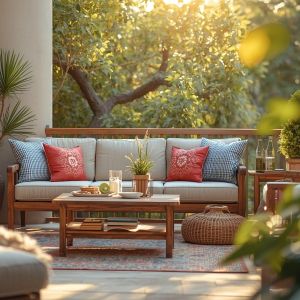
There’s something special about stepping outside and feeling like your home just got bigger. A great patio set invites slow mornings with coffee, family dinners that stretch past sunset, and those little “let’s sit out here for a minute” moments that turn into the best parts of the day.
But if you’ve ever watched a beautiful outdoor setup fade, crack, rust, or mildew after one tough season, you know this truth: the “best” outdoor furniture depends on your weather.
At Aqua 4 Outdoor, we think outdoor spaces should feel joyful and effortless—not like another chore. Let’s walk through how to choose furniture that fits your climate, your lifestyle, and your design style, so your outdoor room stays inviting year after year.
Start With Your Weather Reality (Not the Catalog Photo)
Before you fall in love with a look, take a quick inventory of what your outdoor furniture will actually face. Weather is the biggest factor in how long materials last and how much upkeep they’ll need.
Ask yourself these quick questions
- Do you get long, hot summers with intense sun?
- Is your area humid or rainy for weeks at a time?
- Do you deal with salty coastal air?
- Do you have freeze/thaw cycles in winter?
- Will furniture sit uncovered on an open patio, or under a roof/pergola?
Two homes can be in the same town and have totally different needs—one may have a covered porch that stays dry, while the other has a wide-open deck that takes full sun and wind. That’s why this first step matters so much.
Know the Best Frame Materials for Your Climate
Think of the frame as the “bones” of your outdoor furniture. A strong, weather-appropriate frame gives you longevity, stability, and fewer headaches.
Aluminum: a top all-around choice
If you want a dependable, low-maintenance option, powder-coated aluminum is one of the best picks for most climates. It resists rust, handles humidity well, and is lighter than steel—so it’s easier to rearrange when you’re hosting or chasing the shade.
Best for: humid areas, rainy climates, poolside spaces, and homes where furniture gets moved around.
Design tip: Aluminum comes in sleek modern silhouettes and more classic profiles, so you don’t have to sacrifice style to get durability.
Teak: timeless, durable, and naturally weather-friendly
Teak is a favorite for good reason. It’s naturally resistant to moisture and pests, and it holds up beautifully outdoors. Over time, it develops that soft silvery patina many homeowners love.
Best for: sun, rain, and four-season use—especially if you want a warm, natural look.
Real-life example: If your patio gets full afternoon sun, a teak dining table can be a stunning anchor piece that doesn’t look “tired” after one season.
Heads up: Teak can be left to weather naturally or maintained with gentle care to preserve its golden tone—either choice can be beautiful.
Wrought iron and steel: gorgeous, but choose carefully
Heavier metals can feel classic and substantial—great in windy areas where lighter pieces might shift. The key is rust resistance and finish quality.
Best for: covered patios, drier climates, or spaces where weight is an advantage.
Watch for: chips or scratches in the finish. Once water gets to bare metal, rust can start—especially in humid or rainy regions.
All-weather wicker (resin): cozy and inviting when it’s high-quality
All-weather wicker can be a dream for creating a living-room feel outside. The best versions are made from UV-resistant resin over a strong frame (often aluminum).
Best for: covered patios, moderate climates, and homeowners who love soft seating with a relaxed vibe.
Tip: If you’re in full sun, look for UV-rated wicker and fade-resistant cushions—otherwise, the look can age quickly.
Wood options beyond teak: beautiful, but more maintenance
Eucalyptus, acacia, and similar woods can look gorgeous and be budget-friendly, but they often need more regular care to handle moisture and sun.
Best for: covered spaces, homeowners who don’t mind seasonal maintenance, and lower-exposure patios.
Don’t Forget the Real MVP: Cushion and Fabric Performance
A frame can last for years, but cushions are what make your outdoor space truly livable. The right fabric and fill can mean the difference between “sit and stay awhile” comfort and cushions you’re constantly dragging inside.
Look for outdoor performance fabric (and ask what it really means)
Outdoor fabrics vary widely. If your space gets a lot of sun or frequent rain, choose cushions labeled for outdoor use with strong fade resistance and quick-drying properties.
Practical tip: When shopping, ask these simple questions:
- Is the fabric designed for UV exposure?
- Does it resist mildew?
- How easy is it to clean (soap and water, spot clean, removable covers)?
Choose quick-dry cushion construction if you get frequent rain
If afternoon storms are common, quick-dry foam and mesh-bottom cushion construction can help water drain and air circulate. That means less time waiting to use your space again.
Example: For a family who loves spontaneous evening hangs by the fire table, quick-dry cushions make it easy to head outside even if it rained earlier.
Match Furniture to Sun, Rain, Humidity, Wind, and Cold
Let’s translate common weather challenges into smart, confidence-building choices.
If you have intense sun and heat
Sun is one of the toughest “elements” on outdoor spaces. It can fade fabrics, dry out wood, and heat up dark finishes.
What to choose: powder-coated aluminum, teak, UV-rated resin wicker, and high-quality performance fabrics in fade-resistant colors.
Design-savvy tip: Lighter frame finishes and mid-tone fabrics tend to look fresh longer and feel cooler to the touch.
If you have frequent rain
Rain calls for materials that won’t rust, swell, or trap moisture. It also calls for cushions that dry quickly and don’t stay damp.
What to choose: aluminum frames, teak, quick-dry cushions, and furniture that’s easy to tip or move for airflow.
Easy win: Add a simple deck box or outdoor storage bench nearby so you can stash pillows when storms roll in.
If you have high humidity
Humidity can encourage mildew on cushions and make some materials feel like they never fully dry.
What to choose: mildew-resistant fabrics, breathable cushion construction, and frames that won’t corrode (aluminum is a standout here).
Daily-life tip: Give cushions “breathing time.” After a humid night, prop them up for an hour in the morning sun to let air circulate.
If you’re near the coast (salt air)
Coastal living is beautiful—salty air is not always kind to finishes and hardware. Corrosion resistance becomes a priority.
What to choose: marine-friendly powder-coated aluminum, teak, and stainless or corrosion-resistant hardware when available.
Simple maintenance habit: A gentle rinse with fresh water now and then can help remove salt residue and extend the life of finishes.
If you have strong wind
Wind changes the equation. Lightweight pieces may shift, and umbrellas can turn into sails.
What to choose: heavier furniture (or furniture with a wider, stable base), and secure umbrella stands rated for your umbrella size.
Real-life example: If your backyard gets breezy in the evenings, a sturdy dining set and a lower-profile lounge arrangement will feel calmer and more grounded.
If you have cold winters and freeze/thaw cycles
Freezing temps and temperature swings can stress materials—especially if water gets into small cracks and expands.
What to choose: durable frames (aluminum, high-quality teak), and plan for seasonal storage or quality covers.
Helpful mindset: In true four-season climates, the “best” outdoor furniture isn’t just what survives winter—it’s what’s easiest to protect so it’s ready when spring arrives.
Choose Finishes and Colors That Stay Looking Fresh
Outdoor spaces are about feeling good—and that includes furniture that still looks inviting after a lot of living.
Favor quality finishes over trendy looks
A great powder coat, a well-sealed wood finish (if you’re maintaining color), and solid construction details will matter more over time than a momentary trend.
Pick fabrics like you’re designing a high-traffic family room
Outdoor life is real life—snacks, sunscreen, wet swimsuits, muddy paws, and spilled lemonade. Choose patterns or textured solids that hide everyday life gracefully.
Design tip: If you love crisp white cushions, consider using them in a covered area and pairing with washable, performance throw pillows that add color and camouflage.
Think About How You Actually Live Outside
This is where outdoor design gets fun—because the best furniture for your weather is also the best furniture for your people.
Start with your “most common moment”
Instead of designing for the once-a-year party, design for the moment you want to have every week.
Ask yourself:
- Do we eat outside often, or mostly lounge?
- Do we gather around a fire feature in the evening?
- Do we need family-friendly materials for kids and pets?
- Do we host big groups, or keep it cozy?
Weather + lifestyle examples
Example 1: The poolside hangout. Prioritize rust-resistant frames, sling seating or quick-dry cushions, and side tables that can handle water. You’ll be amazed how much more the family uses the space when you’re not worried about wet towels.
Example 2: The covered porch “outdoor living room.” Here you can lean into comfort: deep seating, soft cushions, layered pillows, and warm textures. Because it’s protected, you can choose materials a little more for feel—while still keeping them outdoor-rated.
Example 3: The open patio in a sunny yard. Choose UV-resistant materials, consider lighter finishes, and add shade (umbrella, pergola, or canopy). Your furniture will last longer, and your space will feel comfortable at the hottest times of day.
Comfort Matters as Much as Durability
Weather resistance is important—but if the chairs aren’t comfortable, no one will linger. And lingering is where the memories happen.
Try to sit before you commit (when possible)
Seat depth, cushion firmness, and back height make a big difference. A lounge chair can look stunning and still feel awkward if it doesn’t fit your body or your style of relaxing.
Choose the right scale for your space
A common outdoor design mistake is buying pieces that are too large (crowding pathways) or too small (feeling flimsy and temporary).
Simple guideline: Leave comfortable walking room around dining chairs and clear paths to grills, doors, and steps. Your outdoor room should feel easy to move through, even when guests are over.
Plan for Easy Care (So Outdoor Living Stays Easy)
The goal is a space you enjoy, not a space you constantly maintain. A little planning upfront can dramatically reduce ongoing effort.
Use furniture covers strategically
Covers can be helpful, especially in the off-season or during long rainy stretches. The key is fit and airflow—covers that trap moisture can create issues of their own.
Tip: Choose well-fitting covers and avoid covering damp cushions. Let things dry first so you’re not sealing moisture inside.
Create a quick “reset routine”
We love a routine that takes less than 10 minutes:
- Brush off debris and pollen
- Wipe tables and armrests
- Fluff cushions and check for dampness after storms
Small habits keep the whole space feeling ready—so you can say “yes” to stepping outside more often.
Quality Clues: What to Look for When You’re Shopping
Outdoor furniture is an investment in time outside. Here are a few friendly “tells” that you’re choosing well—especially for challenging weather.
Construction details that usually signal longevity
- Sturdy joinery and tight connections (nothing wobbly on the showroom floor)
- Powder-coated finishes that feel even and durable
- Outdoor-rated hardware and components
- Cushions with quality seams and outdoor zipper closures (when applicable)
If you’re unsure, ask how the piece is meant to live outdoors in your climate. A good retailer or designer won’t just sell you a look—they’ll help you choose something that lasts.
Bring It All Together: A Simple Step-by-Step Approach
If you’re feeling overwhelmed by options, here’s a calm way to narrow it down.
Step 1: Identify your exposure
Covered, partially covered, or fully exposed? Add in sun direction and wind.
Step 2: Choose your “workhorse” material
For many homes, that’s powder-coated aluminum or teak. Build your layout around that dependable base.
Step 3: Pick cushions based on your weather
Rainy or humid? Prioritize quick-dry and mildew resistance. Sunny? Prioritize UV and fade resistance.
Step 4: Design for how you gather
Dining, lounging, or both? If you do both, consider a cohesive mix—like a dining set plus a small lounge grouping that shares finishes or color tones.
Step 5: Add the “comfort and joy” layer
Outdoor pillows, a throw for cool evenings, side tables where people naturally set a drink, and lighting that makes the space feel magical after dark.
Final Thoughts: Outdoor Furniture That Makes Space for Memories
The best outdoor furniture for weather is the kind you don’t have to worry about. It holds up to real life and still feels welcoming—so your family can step outside more often, stay a little longer, and make the kind of memories that happen when the phones are down and the sky is wide.
If you’d like help choosing materials, layouts, and pieces that fit your climate and your style, Aqua 4 Outdoor is always here to guide you. The goal is simple: an outdoor space that feels like home—only with more fresh air.
Comments are closed