

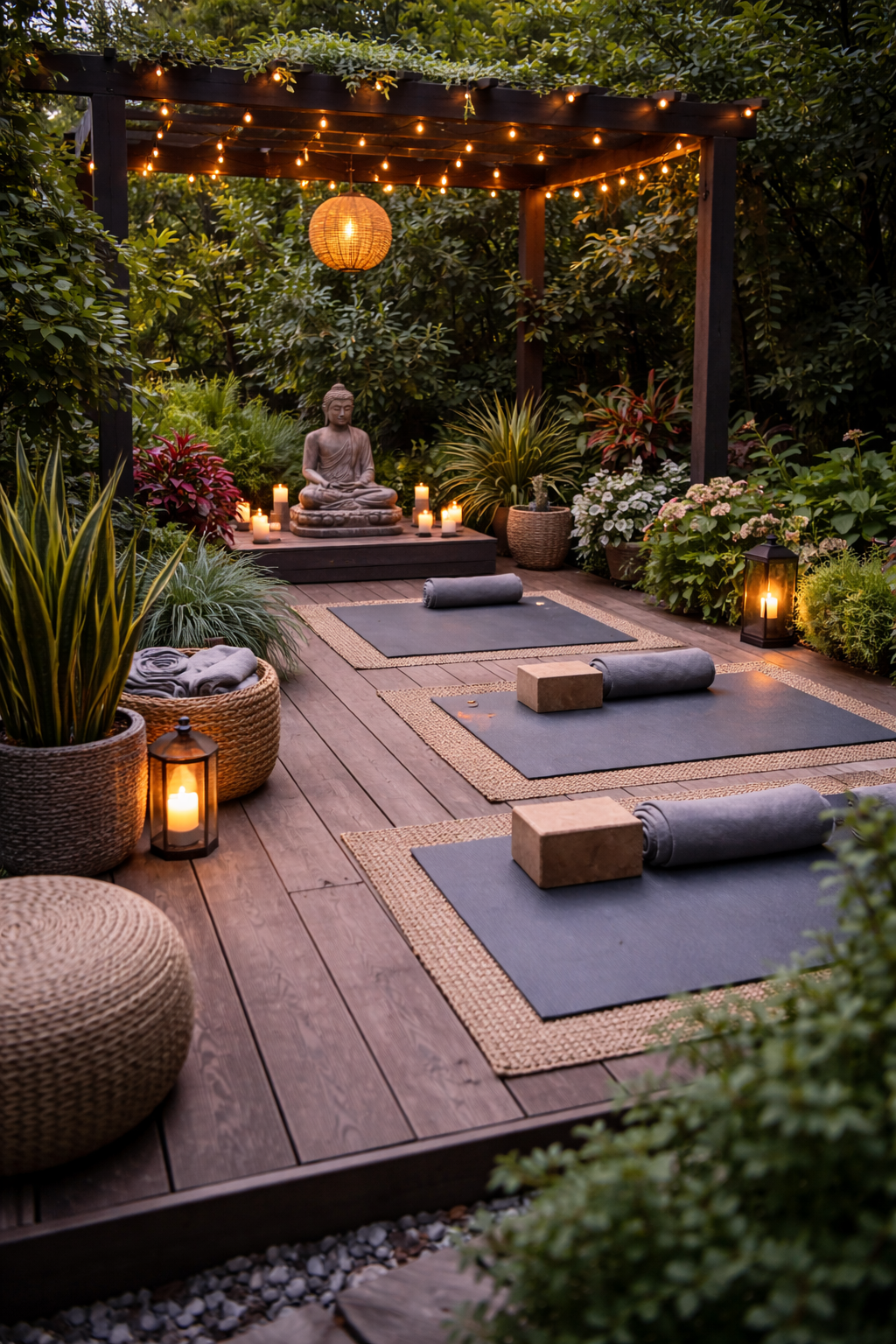
There’s a quiet shift happening in backyards everywhere. Outdoor spaces aren’t just for entertaining a crowd anymore—they’re becoming personal retreats: places to breathe, stretch, read, reconnect, and reset after a busy day.
At Aqua 4 Outdoor, we love this trend because it’s not about chasing perfection. It’s about creating a space you’ll actually use—one that helps your family slow down, spend time outside, and make the kind of everyday memories that really stick. Think: morning coffee in the sun, kids doing cartwheels on the lawn, a calm soak under the stars, or a simple “let’s go outside” moment that turns into an hour of laughter.
What is an outdoor wellness space (really)?
An outdoor wellness and relaxation space is an area designed for comfort, calm, and restoration. It’s less “party patio” and more “exhale zone.” The best ones still look beautiful, but their real magic is how they feel—inviting, private, soothing, and effortless to enjoy.
Wellness can mean different things to different people. For some, it’s a spa-inspired corner with warm water and soft lighting. For others, it’s a shaded lounge with a good book and a fan. For many families, it’s a flexible setup where adults can unwind while kids have space to play nearby.
Common features of wellness-focused outdoor spaces
Not every space needs all of these, but these are the elements we see most often:
- Comfortable, supportive seating (not the “looks cute but hurts” kind)
- Shade for mid-day use and longer seasons
- Privacy through plantings, screens, pergolas, or fence enhancements
- Soothing sensory details like water sounds, soft lighting, and natural textures
- Simple routines built into the layout (a place for towels, drinks, speakers, yoga mats, etc.)
Why this trend is taking off
Homeowners are designing outdoor spaces the same way they design interiors now: around how they want to live. A wellness space isn’t about adding “stuff”—it’s about creating a daily destination.
And the best part? A thoughtful wellness zone doesn’t require a huge yard. We’ve seen small patios, side yards, and pool areas transformed into calm, intentional spaces with the right layout and a few key choices.
The real goal: make it easy to step outside
If your outdoor space feels unfinished, exposed, or uncomfortable, you’ll naturally default to staying inside. Wellness design flips that by removing friction. You don’t need an event to use your backyard—you just need it to feel welcoming on a normal Tuesday.
Start with your “why”: choose your main relaxation ritual
Before picking materials or furniture, decide what kind of relaxing you’re designing for. This helps you avoid a space that looks great but doesn’t fit your lifestyle.
Pick one primary use (then build outward)
Here are a few common “anchor rituals” we design around:
- Quiet mornings: coffee, journaling, sunrise light, cozy seating near the kitchen door
- Evening decompression: warm lighting, a fire feature, plush lounge seating, blankets nearby
- Movement: yoga, stretching, bodyweight workouts, space for a mat, privacy from neighbors
- Water therapy: hot tub/spa feel, outdoor shower, towel storage, slip-resistant surfaces
- Family wind-down: a spot where adults can relax while kids play within sight
Tip: If you’re torn between two options, choose the one you’ll use most often in the next 90 days. Consistency matters more than variety.
Design principle #1: Create “rooms” outside (even if you don’t have much space)
Wellness spaces work best when they feel like a destination—not just furniture placed on a patio. We love using subtle “outdoor room” boundaries to make the space feel protected and intentional.
Simple ways to define an outdoor relaxation zone
You can create a sense of enclosure and purpose with:
- Outdoor rugs (great for covered spaces)
- Pergolas or partial shade structures
- Planters to frame the edges and soften hard lines
- Low seat walls that double as extra seating
- Level changes (even a single step can make a space feel “separate”)
Think of it like an open-concept home: the areas flow, but each zone has a clear purpose.
Design principle #2: Comfort first (because you can’t relax if you’re fidgeting)
This is where wellness spaces often succeed—or fall flat. Outdoor furniture should invite you to linger. If you’re constantly adjusting a cushion or avoiding a chair because it’s too upright, your space won’t become part of your routine.
What “comfortable outdoor” really means
Look for:
- Deep seating with supportive back cushions
- Side tables within arm’s reach (so your drink/book isn’t balancing on your knee)
- Footrests or ottomans for true lounging
- Texture you want to touch—woven details, warm wood tones, soft fabrics made for outdoors
Example: A simple upgrade we love is swapping a small bistro set (great for quick meals) for two lounge chairs with a shared side table. It instantly reads “relaxation” instead of “temporary seating.”
Design principle #3: Shade and privacy make wellness possible
Relaxation needs a sense of ease. If the sun is intense or you feel like you’re on display, you’ll use the space less—no matter how gorgeous it is.
Shade options that feel elevated (not makeshift)
Depending on your layout, a few popular solutions include:
- Pergolas with slatted tops, canopies, or drapes
- Umbrellas with a quality base (moveable, flexible, and often overlooked)
- Covered patios for true all-day comfort
- Strategic trees that provide dappled shade and seasonal beauty
Privacy that still feels open and natural
Privacy doesn’t have to mean closing yourself in. We often use layered solutions:
- Green screening with shrubs, ornamental grasses, or climbing vines
- Decorative panels that filter views without feeling heavy
- Planter walls to create a cozy backdrop behind seating
Tip: If your relaxation zone faces a neighbor, place the seating so you’re looking into your yard (plants, water feature, fire) rather than directly toward the sightline you want to soften.
Design principle #4: Engage the senses (subtly)
Wellness design shines when it feels immersive. Small sensory details can make your backyard feel like a retreat—without turning it into a theme.
Sound: the secret ingredient
Sound shapes how calm a space feels. If you live near road noise or lively neighbors, a gentle sound layer can help.
Options to consider:
- Water features with a soft, consistent trickle
- Wind movement through grasses or bamboo (depending on your climate and style)
- Outdoor speakers for playlists that match the mood (low volume, high impact)
Lighting: softer is better
Wellness lighting is warm, low, and layered—like your favorite living room at night. Instead of one bright fixture, aim for multiple gentle sources.
Try:
- Path lights for safe walking (and a polished look)
- String lights for a soft canopy effect
- Wall or post lights on dimmers if possible
- Candle-style lanterns (LED options are great for convenience)
Scent and planting: bring calm through greenery
Planting can make a space feel alive and restorative. Consider layering plants that offer movement, fragrance, and seasonal interest.
Example combinations: lavender and rosemary near seating for a spa-like scent; ornamental grasses for motion; flowering shrubs for color without constant fuss.
Wellness spaces that pair beautifully with pools and spas
If you already have a pool or are dreaming of adding one, you’re halfway to a wellness retreat. The key is to create a comfortable “after-swim” and “not swimming” zone—because not everyone relaxes the same way at the same time.
Create a true resort-style lounge zone
Think beyond a couple of chaise lounges. A wellness-focused poolside area often includes:
- A shaded lounge for reading, napping, or cooling down
- Towel and storage solutions so essentials aren’t scattered
- Slip-resistant surfaces that feel good underfoot
- Greenery to soften hardscape and increase privacy
Hot tub moments: make them easy, not complicated
Hot tubs can be a beautiful part of a relaxation plan—but the surrounding experience matters. The small details make it feel intentional:
- A place to set drinks and towels
- Lighting that’s calming (avoid harsh glare)
- A privacy backdrop that feels lush and inviting
- A warm path from the house that’s safe and well-lit
When the setup is convenient, you’ll use it more—and it becomes part of your weekly rhythm.
Small-space wellness: yes, you can do this on a patio or side yard
One of our favorite things to design is the “tiny retreat.” You don’t need a big yard—just a clear purpose and a few strong choices.
A simple small-space layout that works
If you’re working with limited square footage, try this approach:
- One hero feature: a statement chair, a compact water bowl, or a small fire table
- One comfort upgrade: a cushion set you love, a throw blanket basket, or a side table
- One privacy element: a tall planter, panel, or vertical garden
- One lighting layer: a lantern pair or soft string lights
Example: A narrow side yard can become a morning reset zone with a slim bench, two tall planters, gravel underfoot, and a simple trellis wall with greenery. Add a small bistro table for coffee, and suddenly it feels like your own hidden courtyard.
How to start: a practical step-by-step plan
If this trend speaks to you, here’s a friendly way to move from “I want that feeling” to a space you’ll use every day.
Step 1: Choose your wellness moment
Pick the routine you want to support most: morning calm, post-work unwind, family evenings, or movement.
Step 2: Identify your best location
Walk your yard at three times of day—morning, afternoon, and evening. Notice sun, shade, wind, and privacy. Your perfect spot might surprise you.
Step 3: Build comfort and function first
Start with the pieces that make the space usable: seating, shade, a surface for drinks, and lighting for evenings.
Step 4: Add one sensory “signature”
Choose one detail that gives your space its calming personality—water sound, fragrant plants, a fire glow, or a soft lighting layer.
Step 5: Make it easy to maintain
Wellness spaces should reduce stress, not add to it. Choose durable outdoor fabrics, keep planting realistic for your schedule, and build in storage so the space stays tidy with minimal effort.
Common mistakes (and how to avoid them)
A few design pitfalls can keep a wellness space from reaching its potential. The good news: they’re easy to fix once you know what to look for.
Going too small on seating comfort
If your chair isn’t comfortable for 30 minutes, it’s not a relaxation chair. Test pieces when possible, and prioritize supportive cushions and good ergonomics.
Forgetting the “in-between” space
Transitions matter—especially if you’re incorporating a pool, spa, or outdoor shower. Plan a clear path, a place to set items down, and lighting that makes evenings feel safe and inviting.
Overlighting the area
Bright lights can make a space feel like a parking lot. Aim for warm, layered lighting that lets you see where you’re going and still feel calm.
Skipping privacy planning
If you feel exposed, you’ll avoid the space. Even one tall planter or a green screen can change everything.
Make it yours: a wellness space should feel like home
The most successful outdoor relaxation spaces aren’t the ones that look like a catalog—they’re the ones that reflect the people who live there. Maybe that means a hammock under a tree. Maybe it’s a sleek pergola with a daybed. Maybe it’s a family-friendly lounge where you can chat while the kids play.
However you shape it, the goal is simple: create an outdoor place that welcomes you back again and again. A space that turns ordinary days into little resets. A space that invites connection, encourages fresh air, and makes it easier to say, “Let’s go outside.”
If you’re ready to explore what an outdoor wellness space could look like in your yard—whether it’s a small patio refresh or a full backyard transformation—Aqua 4 Outdoor is here to help you design something beautiful, functional, and joy-filled for the way you live.
Comments are closed