

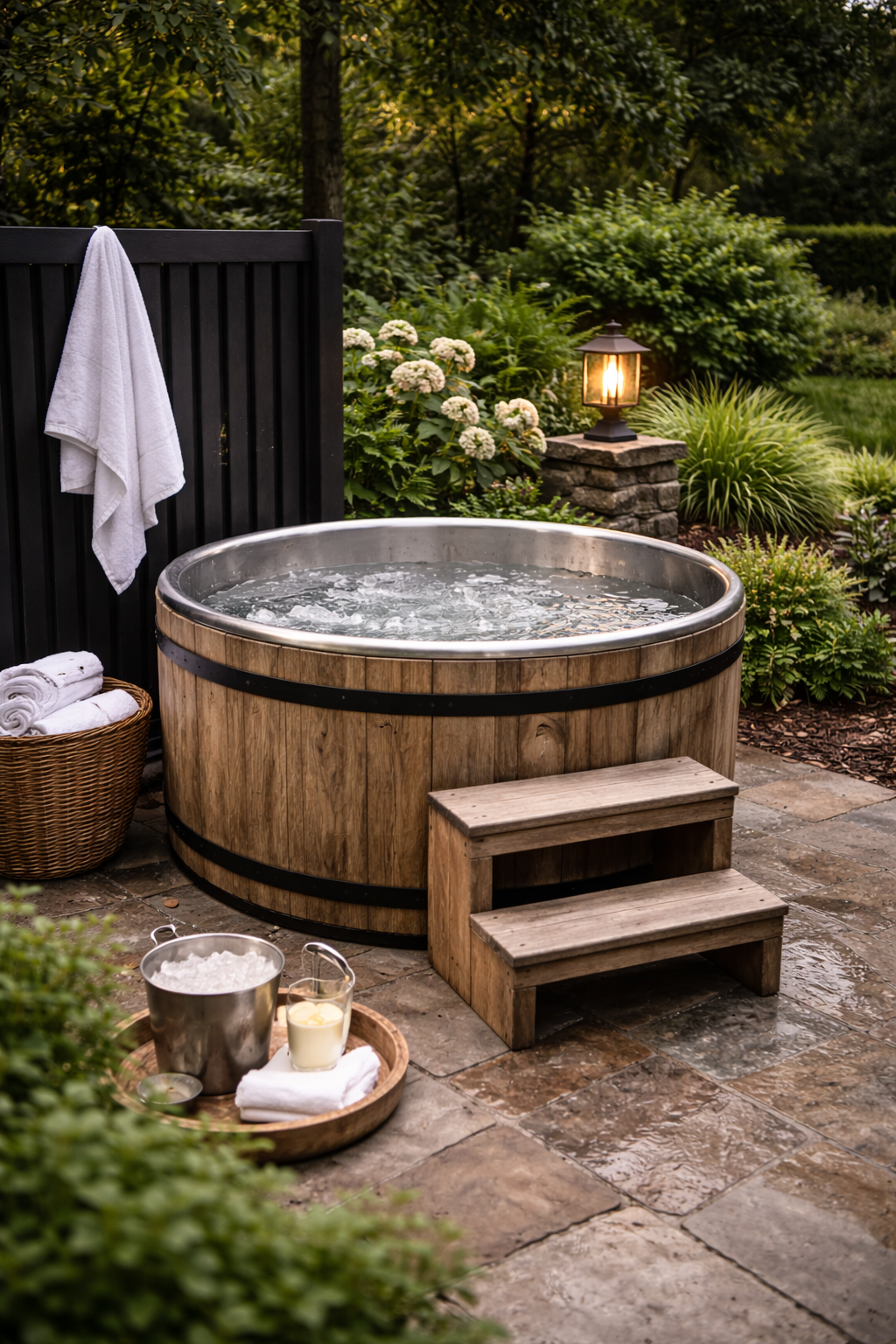
Cold Plunging Benefits: What the Evidence Says (and Why Homeowners Are Adding Them to Backyards)
Cold plunging-also called cold-water immersion (CWI)-has officially moved from elite athletes and “wellness people” into everyday backyards. And it makes sense: a cold plunge is one of the few wellness habits that’s fast (minutes), measurable (temperature + time), and feels immediately noticeable.
But does it actually work,and for what, exactly?
Below is a practical, evidence-backed guide to the benefits of cold plunging, what the research supports (and what it doesn’t), and how to approach it safely. If you’re considering adding a plunge to your outdoor living space, you’ll also find “buying decision” guidance so you can choose the right setup confidently.
What cold plunging is (in plain language)
Cold plunging typically means immersing most of your body in cold water-often between about 50–59°F (10–15°C)-for 1 to 5 minutes, depending on experience and tolerance. Some people do colder and longer, but most evidence-based protocols are brief exposures.
A key concept you’ll see in studies is “hormetic stress”: short, controlled stress that the body adapts to, potentially improving resilience over time. That’s the theory behind many of the claimed benefits.
Benefit #1: Faster post-workout recovery (the strongest evidence)
If cold plunging has one area where the evidence is most consistent, it’s exercise recovery, especially reducing delayed onset muscle soreness (DOMS) after hard training.
- A 2023 systematic review and meta-analysis found cold-water immersion can help with aspects of fatigue recovery after high-intensity exercise, though results can vary based on protocol (temperature, duration, and timing).
- Broader reviews of cold-water immersion and wellbeing also include recovery-related outcomes and note time-dependent effects on physiological stress and inflammation markers.
What this means for real life:
If you do intense workouts, long runs, heavy yard-work days, pickleball tournaments, or you’re simply sore from “weekend warrior” living, cold plunging is one of the more defensible tools for feeling better faster.
Important tradeoff (especially for strength goals):
Some research discussions suggest frequent cold exposure immediately after strength training may blunt some muscle-building signaling (this topic is nuanced and depends on timing and goals). If your #1 goal is hypertrophy, consider using cold plunges on rest days or several hours after lifting, not immediately after.
Benefit #2: Stress reduction and mental wellbeing (promising, but still developing)
Cold plunging is famous for the “I feel amazing after” effect. The research is growing, but compared to exercise recovery, there are fewer large, high-quality randomized trials.
Still, a 2025 systematic review examining cold-water immersion and health/wellbeing suggests time-dependent effects and reported outcomes related to stress, sleep quality, and quality of life, while also noting limitations such as small sample sizes and limited diversity in study populations.
Practical takeaway:
Many people experience a noticeable mood shift after plunging, often described as calm focus or “reset.” The evidence base is not as mature as recovery research, but it’s moving in that direction.
Benefit #3: Possible sleep support (especially for some people)
Sleep improvements are commonly reported anecdotally. The research isn’t definitive yet, but the same 2025 review covering wellbeing outcomes includes sleep quality among the outcomes assessed across studies.
Design tip for homeowners:
If sleep is your goal, experiment with timing:
- Some people love a plunge late afternoon/early evening (downshift).
- Others sleep better plunging morning only (they find late plunges too stimulating).
Benefit #4: Inflammation and soreness management (context matters)
Cold exposure can influence inflammatory markers and perceived soreness, but results vary by protocol and population. Reviews generally describe time-dependent effects and mixed findings,meaning it’s not a guaranteed “inflammation cure,” but can be useful in certain contexts.
The simplest way to think about it:
Cold plunging tends to be most helpful when you’re dealing with acute soreness, heavy training blocks, or high physical demand and less like a magic wand for chronic inflammatory conditions.
Benefit #5: Immune and “getting sick less” claims (not slam-dunk)
Cold exposure is often marketed as immune-boosting. The evidence is mixed. In the 2025 review, the meta-analysis did not find significant immediate immune effects, while narrative findings in longer-term exposure contexts (e.g., cold showers) suggested potential real-world outcomes like reduced sickness absence-again, not a guaranteed effect and not necessarily from plunging alone.
Practical takeaway:
If you’re doing cold plunges primarily to “never get sick,” keep expectations realistic. Consider it a possible supportive habit rather than a shield.
Why cold plunging is so popular (even beyond the science)
Even when evidence is still emerging, cold plunging checks a lot of modern lifestyle boxes:
- Fast: 2–4 minutes is a “complete session”
- Ritual-based: people are more consistent with rituals than vague goals
- Measurable: temperature, time, frequency
- Immediate feedback: you feel something right away
- Social + aspirational: couples, friends, families create a routine together
And for outdoor-living homeowners specifically, it’s a high-impact feature that pairs beautifully with saunas, hot tubs, pools, and wellness patios.
Safety first: cold plunging is not “harmless”
Cold water immersion can trigger a cold shock response like rapid breathing, elevated heart rate, and blood pressure spikes, especially if you jump in suddenly. The American Heart Association has warned about these risks and the cold shock response.
Research also discusses the potential for arrhythmias in cold water immersion, particularly when competing autonomic responses occur (“autonomic conflict”).
And while habituation can reduce the cold shock response over repeated exposures, that doesn’t remove all risk especially for people with underlying cardiac issues.
If any of these apply, talk to your doctor before plunging:
- Heart disease, arrhythmias, uncontrolled high blood pressure
- History of fainting
- Pregnancy
- Seizure disorders
- Very young/older age with medical complexity
Rules that keep people safe:
- Never combine breath-holding challenges with cold immersion
- Start with cool, not “ice bath” (you can progress)
- Ease in (or enter gradually) rather than jumping
- Keep sessions short
- Don’t plunge alone if you’re new or have any risk factors
How to start (evidence-aligned beginner protocol)
A simple ramp that many people tolerate well:
Week 1
- 55–60°F (13–16°C)
- 1–2 minutes
- 2–3x/week
Week 2–3
- Same temp
- 2–3 minutes
- 3–4x/week
Then
- Adjust colder or longer (not both at once)
- Most people land around 2–4 minutes as a sustainable habit
Transactional buying guide: what to choose for your home
If you’re ready to bring cold plunging into your backyard, choose based on use case, maintenance tolerance, and aesthetic.
1) The simplest option: “stock tank” style
- Lowest cost entry
- Works great with ice (manual)
- More hands-on maintenance
Best for: beginners, seasonal users, budget-conscious setups
2) Cold plunge tub + water chiller (most popular “serious” home setup)
- Set temperature precisely
- Use it year-round
- Less hassle than ice runs
Best for: consistent weekly users, families, “I want this to be a lifestyle”
3) Integrated wellness zone (cold plunge + sauna or hot tub)
- Alternating hot/cold is a common wellness routine
- Higher-end outdoor living experience
Best for: homeowners investing in a full backyard wellness patio
Design considerations that matter (and sell):
- Privacy screening (green wall, slats, hedges)
- Non-slip decking/pavers around the tub
- Drainage (so the area stays clean and dry)
- Outdoor shower nearby (quick rinse)
- Lighting for early mornings
- A small bench + towel storage
Bottom line: what cold plunging is actually “good for”
If you want a clear, honest summary:
Cold plunging is most evidence-supported for:
- Post-exercise recovery and soreness reduction
Cold plunging is promising (but still developing) for:
- Stress and wellbeing outcomes, including time-dependent effects
- Sleep quality signals in broader wellbeing research
Cold plunging requires respect because:
- Cold shock response and cardiac strain are real considerations
Ready to add a cold plunge to your backyard?
If you’re considering a cold plunge as part of a wellness upgrade, the smartest next step is planning it like a pro, not an afterthought. Choosing the right quick set-up cold plunge can make all of the difference. Here’s our THREE faves!
Comments are closed